
Acne and Oil Control Pore Serum
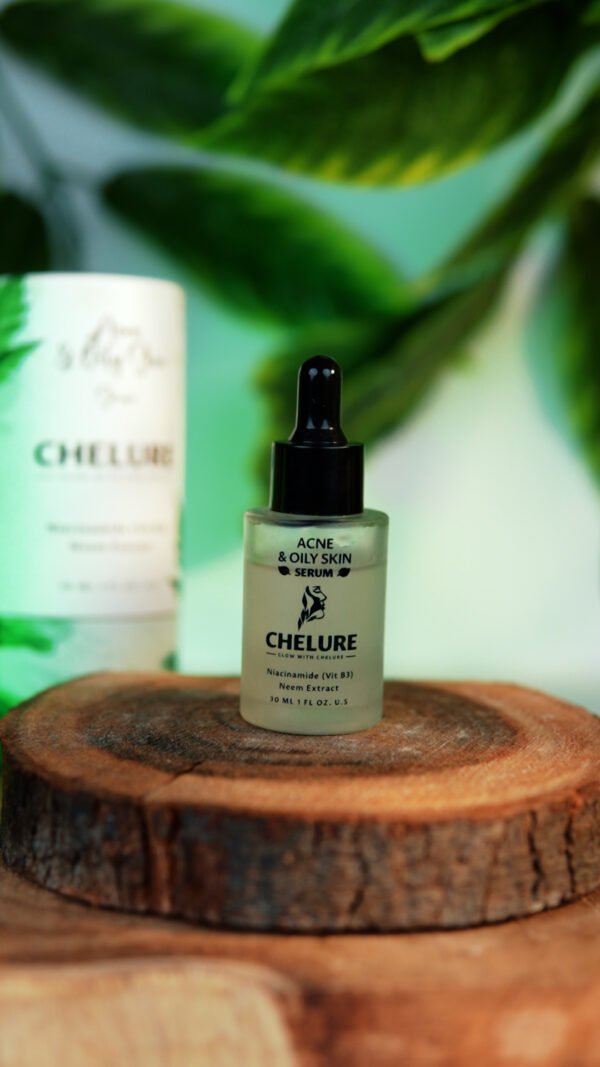
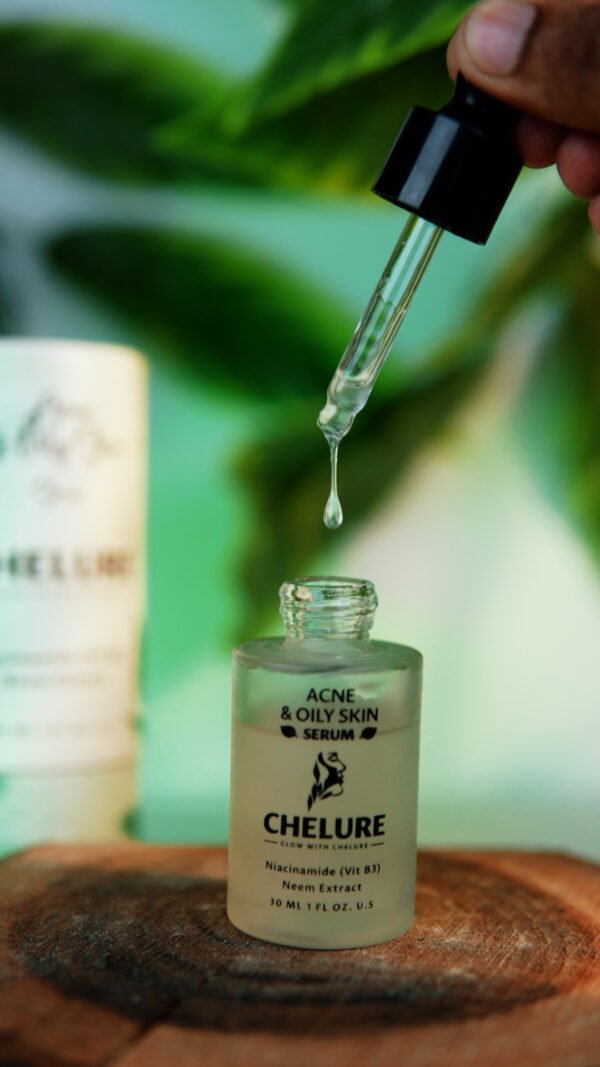
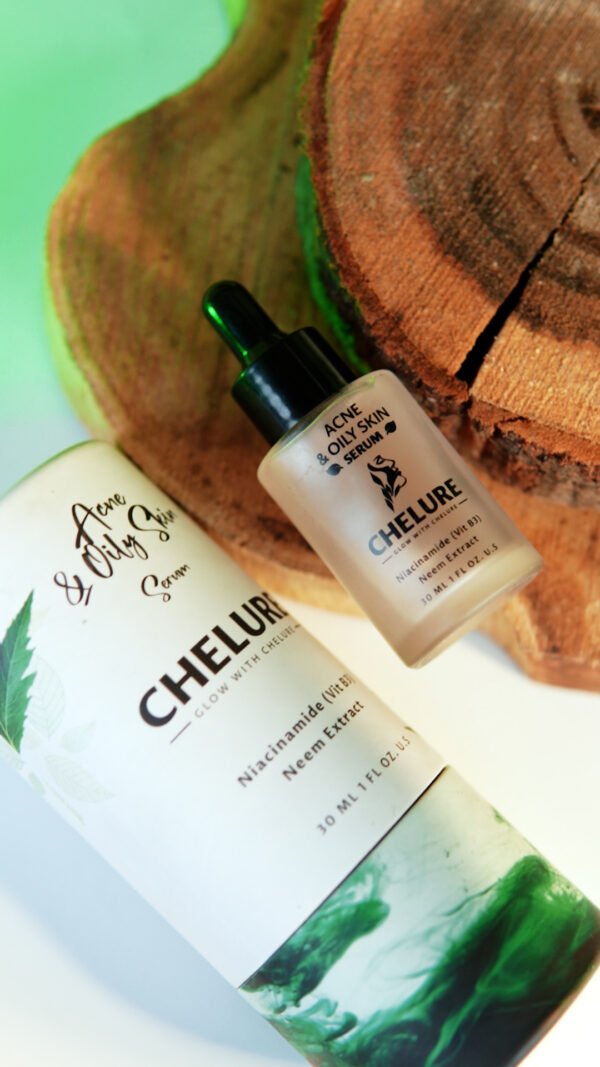
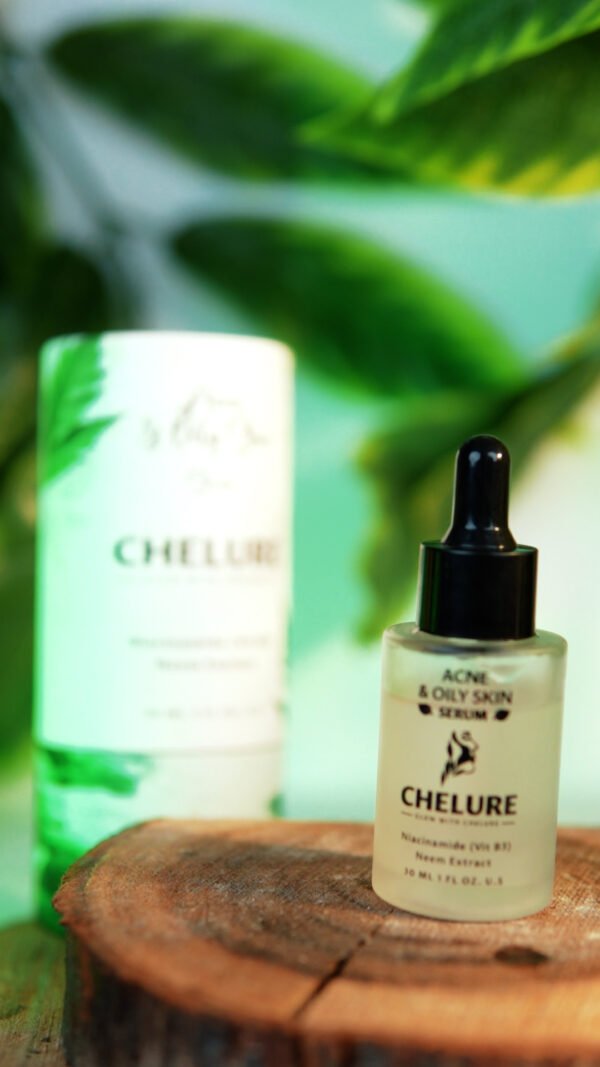
Product Description:
Introduction
Acne and oily skin are among the most common dermatological concerns, affecting individuals across various age groups. These conditions are primarily driven by excess sebum production, clogged pores, bacterial overgrowth, and inflammation. While several treatments exist, the demand for scientifically backed, effective, and welltolerated skincare ingredients continues to grow.
This literature review explores four key ingredients—Niacinamide, Salicylic Acid, Zinc PCA, and Neem Extract—that have demonstrated significant efficacy in managing acne and oily skin. Niacinamide (Vitamin B3) is recognized for its anti-inflammatory and sebum-regulating properties, making it a powerful ingredient for reducing acne lesions and improving skin barrier function. Salicylic Acid, a beta-hydroxy acid (BHA), is widely used for its exfoliating and comedolytic abilities, helping to clear clogged pores and prevent breakouts. Zinc PCA serves as an essential mineral with sebum-regulating and antimicrobial properties, addressing acne at its root by reducing excess oil production and inflammation. Lastly, Neem Extract, a natural botanical with potent antibacterial and anti-inflammatory effects, has been traditionally used to soothe and heal acneprone skin.
By analyzing the dermatological benefits of these ingredients, this review provides insight into their mechanisms of action, scientific evidence, and their potential synergistic effects when combined. Understanding these components can aid in developing effective skincare formulations that cater to individuals struggling with acne and excessive oil production
Literature Review
- Niacinamide (Vitamin B3) and Its Role in Acne and Oily Skin
Niacinamide, a water-soluble form of vitamin B3, has been extensively studied for its dermatological benefits, particularly for acne and oily skin. Research suggests that niacinamide helps regulate sebum production, thereby reducing excessive oiliness, a primary contributor to acne development (Draelos, 2006). It also possesses antiinflammatory and antimicrobial properties that help minimize redness and swelling associated with acne lesions (Doshi et al., 2017). Moreover, niacinamide enhances skin barrier function by increasing ceramide production, leading to improved hydration and reduced irritation (Bissett, 2006). A 4% niacinamide gel has been shown to be as effective as 1% clindamycin in treating acne vulgaris (Shalita et al., 1995), making it a promising alternative to antibiotic treatments.
- Salicylic Acid: Exfoliation and Acne Treatment
Salicylic acid (SA), a beta-hydroxy acid (BHA), is widely recognized for its keratolytic, anti-inflammatory, and comedolytic properties. It works by penetrating oil-filled pores, dissolving excess sebum, and breaking down keratin plugs that contribute to acne formation (Pagnoni et al., 1999). Studies have shown that 2% salicylic acid formulations effectively reduce acne lesions and improve skin texture without causing significant irritation (Kligman et al., 1996). Additionally, SA’s mild antibacterial action helps reduce acne-causing bacteria like Propionibacterium acnes, while its ability to normalize desquamation (skin shedding) prevents clogged pores and breakouts (Fowler, 2018). - Zinc PCA: Sebum Regulation and Anti-Acne Properties
Zinc PCA (zinc pyrrolidone carboxylate) is a zinc-derived salt that plays a crucial role in managing acne-prone and oily skin. Zinc is known for its anti-inflammatory, sebumregulating, and antimicrobial properties. It inhibits the enzyme 5-alpha-reductase, which is responsible for converting testosterone into dihydrotestosterone (DHT), a hormone linked to increased sebum production (Dreno et al., 2016). A clinical study demonstrated that zinc supplementation significantly reduces acne severity, particularly in patients with mild to moderate acne (Michaëlsson et al., 1977). Additionally, Zinc PCA enhances skin hydration while controlling excess oil, making it ideal for balancing oily skin without over-drying.
- Neem Extract: A Natural Antimicrobial and Anti-Inflammatory Agent
Neem (Azadirachta indica) extract has been traditionally used for skin ailments due to its antibacterial, antifungal, and anti-inflammatory properties. Neem contains active compounds such as nimbidin, nimbin, and azadirachtin, which have been shown to combat P. acnes and Staphylococcus epidermidis, common acne-causing bacteria (Subapriya & Nagini, 2005). A study evaluating neem-based formulations found that they effectively reduce acne lesions, control oiliness, and soothe inflamed skin (Puri, 1999). Neem also has antioxidant properties, helping to neutralize free radicals that contribute to acne and premature skin aging.
Product Concept & Objective
Product Type:
Water-based acne control serum
Targeted Audience:
Individuals with oily acne prone skin.
Key Ingredients:
Niacinamide, Salicylic Acid, Zinc PCA and Neem Extract
Unique selling Proposition:
“Clearer Skin, Smarter Care – The Power of Science & Nature Combined!” Our advanced Blemish Control & Oil-Balancing Serum is a powerful yet gentle formula that blends science-backed actives with nature’s healing touch. Salicylic Acid unclogs pores and fights acne at its root, Niacinamide evens out skin tone and strengthens the skin barrier, and Zinc PCA regulates excess oil while reducing irritation. To amplify results, Neem Extract brings its antibacterial and anti-inflammatory properties, soothing breakouts and preventing future ones. This lightweight, non-comedogenic serum is your go-to solution for acne-prone, oily, and combination skin, delivering a clearer, balanced, and healthier complexion— without dryness or irritation!
Testing & Evaluation
Stability Testing: Store at different temperature for 6 weeks and check for any crystals.
PH Testing: Ensure skin friendly pH (3.5 to 3.8)
Viscosity & Texture: Check serum consistency and absorption.
User Trials: 10 volunteers apply for 4 weeks: feedback on efficacy and irritation.