
Skin Brightening and Anti-Aging Cream
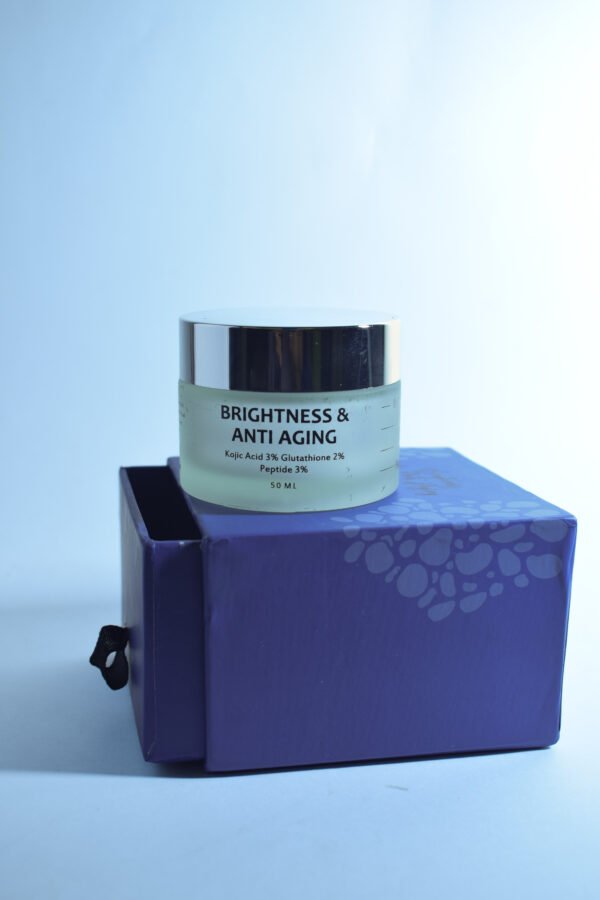
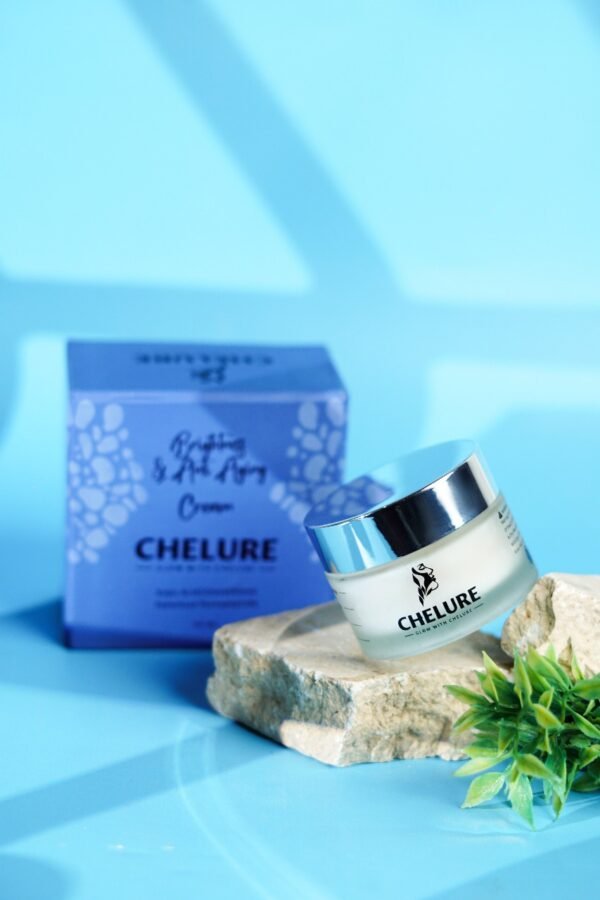
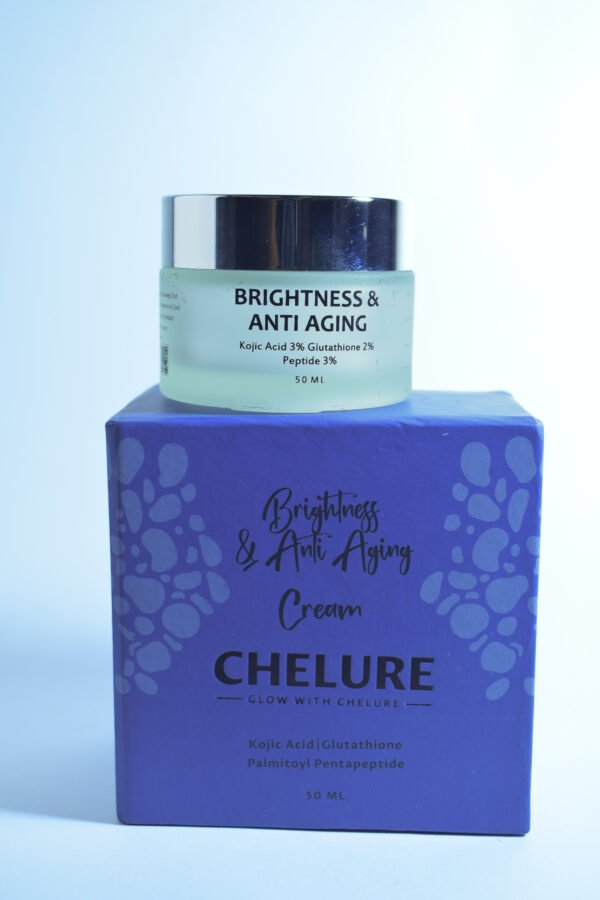
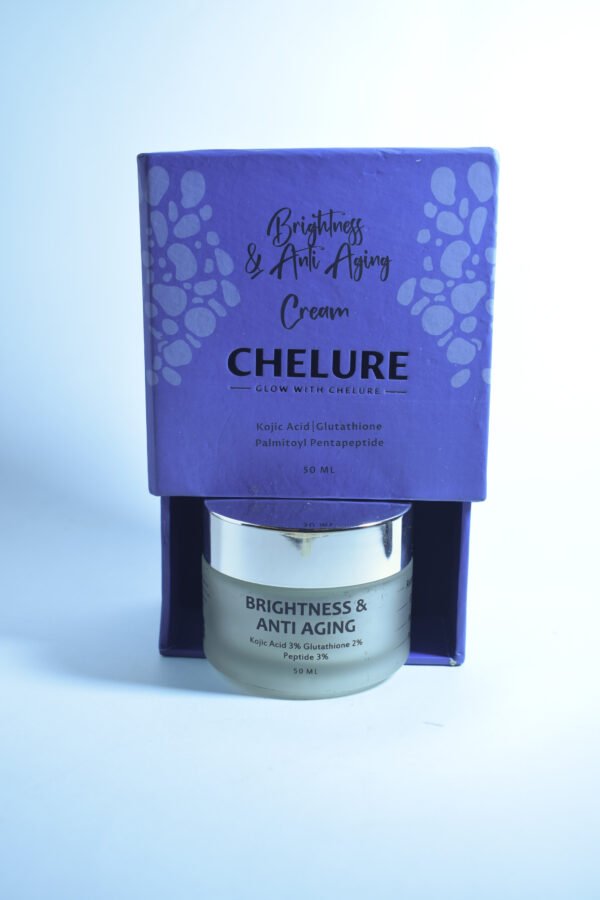
Product Description:
Introduction:
The skincare industry has seen a significant shift toward scientifically advanced formulations that target multiple skin concerns simultaneously. Among the most prominent concerns are aging, hyperpigmentation, and skin hydration, prompting the development of innovative cosmetic products. This paper presents a detailed formulation of an advanced anti-aging and skin-brightening cream that incorporates Retinol Liposome, Palmitoyl Pentapeptide, Glutathione, and Oil-Soluble Kojic Acid. The formulation is designed to provide effective collagen stimulation, skin hydration, and reduction in hyperpigmentation while minimizing irritation and instability issues commonly associated with these ingredients. By integrating modern encapsulation techniques and stable derivatives, this study aims to create a potent yet gentle solution for individuals seeking a comprehensive anti-aging and brightening skincare product.
Literature Review
- Palmitoyl Pentapeptide
Palmitoyl Pentapeptide, commonly referred to as Matrixyl, is a synthetic peptide composed of five amino acids linked to a palmitic acid moiety. It is widely used in antiaging skincare formulations due to its ability to stimulate collagen production and improve skin elasticity.
- Collagen Synthesis and Anti-Aging Effects Studies have shown that Palmitoyl Pentapeptide can enhance extracellular matrix production, leading to an increase in collagen, elastin, and glycosaminoglycans (GAGs), which are essential for maintaining skin structure (Lupo & Cole, 2007). This effect results in reduced fine lines, wrinkles, and improved skin firmness over time.
- Mechanism of Action It mimics a portion of collagen (procollagen fragments), tricking
the skin into accelerating collagen synthesis as a repair response (Schagen, 2017). Unlike retinoids, it does not cause irritation, making it suitable for sensitive skin types.
- Retinol Liposome
Retinol (Vitamin A) is a well-established ingredient in dermatology, known for its ability to promote cell turnover, reduce hyperpigmentation, and stimulate collagen production. However, its instability and potential for irritation have led to the development of liposomal retinol, which offers enhanced stability and controlled release.
- Advantages of Liposomal Encapsulation Liposomes are phospholipid vesicles that protect retinol from degradation, improve penetration into deeper skin layers, and reduce irritation compared to free retinol formulations (Kim et al., 2021). Research suggests that liposomal retinol maintains efficacy while minimizing side effects, making it preferable for long-term use in anti-aging and acne treatments.
- Clinical Benefits A study comparing liposomal vs. traditional retinol found that liposomal formulations provided similar benefits in reducing wrinkles and hyperpigmentation but with significantly less irritation and better skin tolerance (Zasada et al., 2022).
- Glutathione
Glutathione is a tripeptide composed of glutamine, cysteine, and glycine, primarily known for its antioxidant and skin-lightening properties.
- Skin-Lightening Mechanism Glutathione inhibits tyrosinase, an enzyme responsible for melanin production. It shifts melanin synthesis from eumelanin (darker pigment) to pheomelanin (lighter pigment), leading to skin brightening (Handog et al., 2016).
- Oral vs. Topical Application While oral glutathione has been widely studied for its skin-brightening effects, recent research indicates that topical glutathione formulations can also reduce hyperpigmentation and oxidative stress, though penetration remains a challenge (Sonthalia et al., 2018). Liposomal and nano-formulations have been explored to enhance bioavailability.
- Antioxidant and Anti-Aging Properties Glutathione neutralizes free radicals and protects against UV-induced oxidative damage, making it a valuable ingredient for anti-aging skincare (Dillon et al., 2020)
- Oil-Soluble Kojic Acid
Kojic acid is a well-known tyrosinase inhibitor used in skin-brightening treatments. However, its traditional water-soluble form has limitations in penetration and stability, leading to the development of oil-soluble kojic acid derivatives.
- Improved Stability and Absorption Oil-soluble kojic acid has better penetration into the skin barrier, increasing its efficacy in reducing hyperpigmentation compared to traditional kojic acid formulations (Lajis et al., 2021). It is also less prone to oxidation, making it more stable in cosmetic formulations.
- Clinical Studies on Skin-Brightening A study comparing water-soluble and oil-soluble kojic acid found that the oilsoluble version demonstrated higher absorption rates and stronger depigmenting effects without causing significant irritation (Nakagawa et al., 2019)
Product Concept & Objective:
Product Type: Cream based Formulation
Targeted Audience: Individuals with fine lines, wrinkles, hyperpigmentation and saggy skin
Key Ingredients: Retinol, Peptide, Glutathione, and Kojic Acid
Unique selling Proposition: This advanced cream combines Retinol and Peptides to smooth wrinkles, boost collagen, and firm the skin without irritation. Glutathione and Oil-Soluble Kojic Acid work synergistically to fade dark spots, melasma, and hyperpigmentation, delivering a brighter, more even complexion. Its deep absorption formula ensures long-lasting hydration while providing powerful antioxidant protection against UV damage and environmental stressors. Designed for daily use, this cream is gentle yet highly effective, making it suitable for all skin types, including sensitive skin.
Testing & Evaluation:
Stability Testing: Store at different temperature for 6 weeks and check for oxidation and emulsion instability.
PH Testing: Ensure skin friendly pH (5.00 to 5.5)
Viscosity & Texture: Check cream consistency and absorption.
User Trials: 10 volunteers apply for 4 weeks: feedback on efficacy and irritation.