
Water-Based Skin Whitening Serum
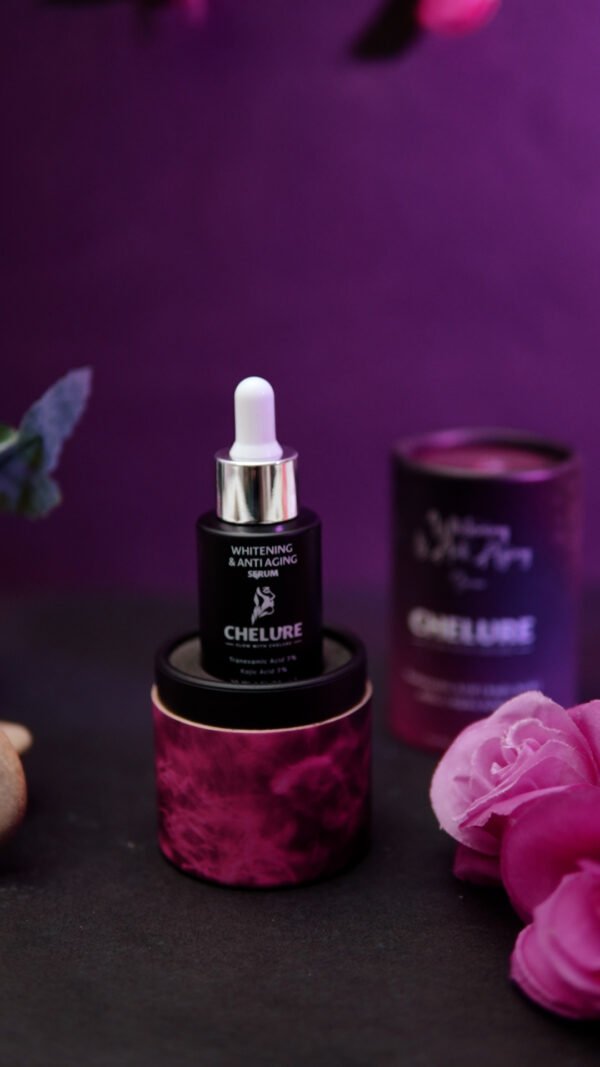
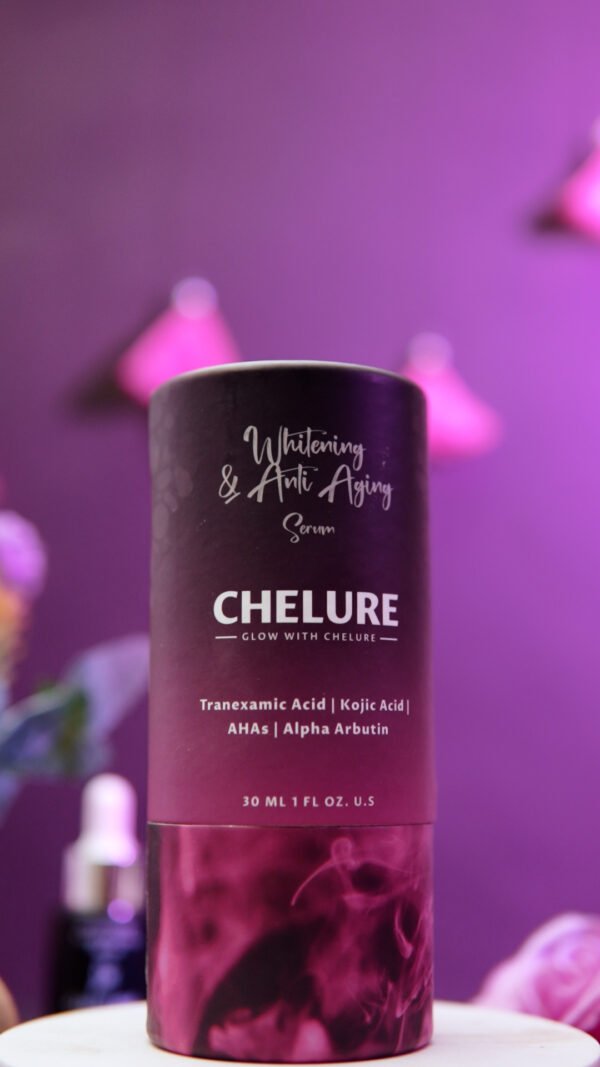
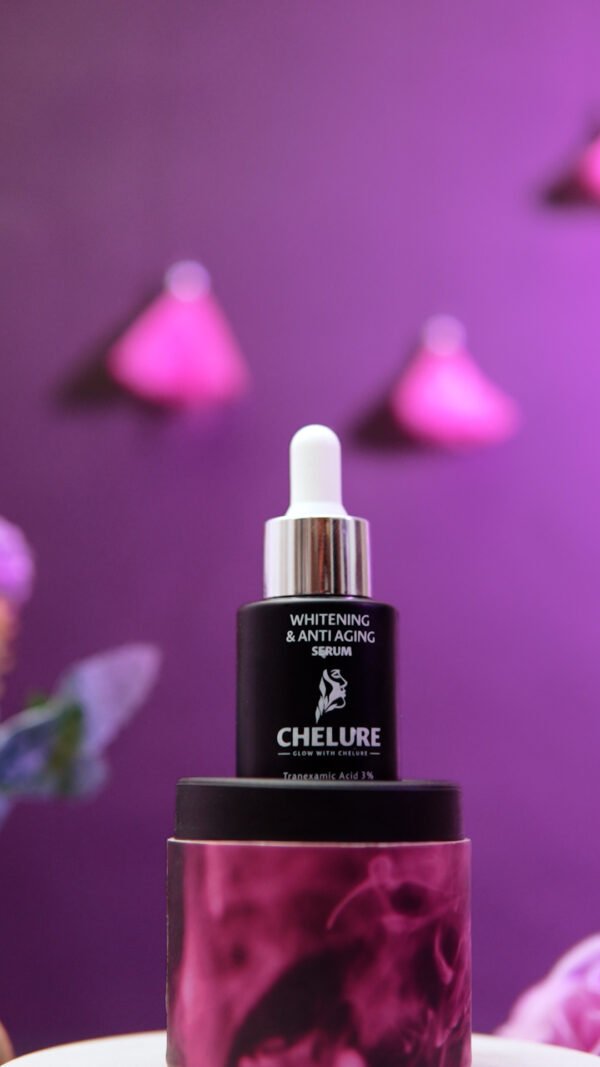
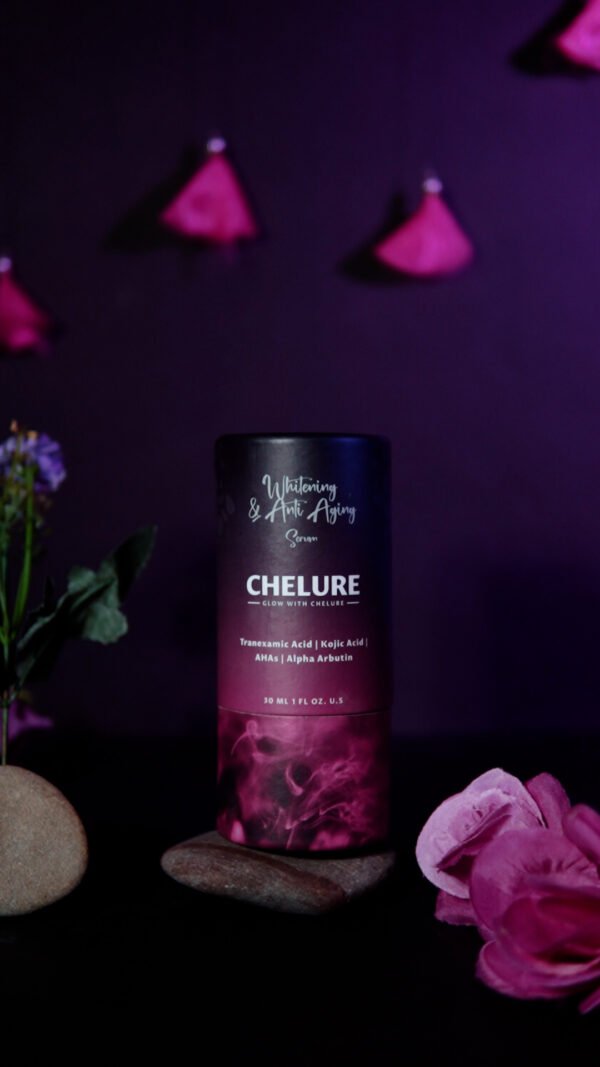
Product Description:
Introduction
Skin lightening ingredients play a crucial role in addressing various skin concerns, including dark spots, uneven skin tone, hyperpigmentation, and signs of aging. These concerns arise due to factors such as sun exposure, hormonal changes, acne scars, and the natural aging process. By inhibiting melanin production and promoting skin renewal, effective skin-brightening ingredients help restore a more balanced and radiant complexion. In addition to improving discoloration, these ingredients often possess antioxidant and anti-inflammatory properties, which contribute to skin health by protecting against oxidative stress and environmental damage. Whether used in serums, creams, or masks, scientifically backed skin-lightening agents like AHAs, Tranexamic acid, kojic acid, and alpha arbutin provide targeted solutions for individuals seeking a brighter, more youthful appearance. Understanding the benefits and mechanisms of these ingredients allows for informed choices in skincare, ensuring optimal results while maintaining skin integrity.
Literature Review
Skin lightening agents have been widely studied for their efficacy in treating hyperpigmentation, dark spots, and uneven skin tone. Various active ingredients work through different mechanisms to reduce melanin production and promote skin renewal. This literature review explores the roles of AHAs, kojic acid, alpha arbutin, and tranexamic acid in improving skin clarity and brightness.
AHAs Concentrated OG
AHAs concentrated OG, an alpha-hydroxy acid (AHA), is well-known for its exfoliating properties. It works by dissolving the bonds between dead skin cells, promoting their removal and enhancing cell turnover. Studies indicate that glycolic acid at concentrations of and above can effectively improve skin texture, reduce hyperpigmentation, and enhance the penetration of other active ingredients (Tang et al., 2018). Its ability to stimulate collagen production also makes it beneficial for antiaging, addressing fine lines and dull skin (Ditre et al., 1996). Furthermore, glycolic acid has been found to increase epidermal thickness, improving skin resilience and hydration (Bernstein et al., 2001).
Kojic Acid
Kojic acid, a natural byproduct of fermentation, is a potent tyrosinase inhibitor that prevents melanin synthesis. kojic acid has been demonstrated to be effective in reducing dark spots and melasma (Mishra et al., 2020). It works by chelating copper ions required for tyrosinase activity, thereby limiting pigmentation formation (Fisk et al., 2021). Studies have shown that combining kojic acid with other lightening agents such as glycolic acid enhances its penetration and efficacy (Draelos, 2007). Additionally, kojic acid possesses antioxidant properties that help mitigate oxidative damage, which is a contributing factor to skin aging and hyperpigmentation.
Alpha Arbutin
Alpha arbutin, a glycosylated hydroquinone derivative, is recognized for its ability to safely and effectively lighten skin. Unlike hydroquinone, alpha arbutin is less cytotoxic to melanocytes, making it a safer alternative for long-term use (Boissy et al., 2005). It works by competitively inhibiting tyrosinase, thereby preventing melanin overproduction. Research has found that alpha arbutin can significantly reduce pigmentation with minimal irritation, especially when used in combination with other brightening agents such as kojic acid and glycolic acid (Chowdhury et al., 2019). Its stability in formulations further enhances its appeal for cosmeceutical applications. 7
Tranexamic Acid
Tranexamic acid, a synthetic derivative of lysine, has gained popularity in dermatology for its ability to treat melasma and post-inflammatory hyperpigmentation. Tranexamic acid is effective in reducing dark spots by inhibiting the plasminogen activation system, which influences melanocyte activity (Maeda & Naganuma, 1998). Clinical trials have demonstrated that topical tranexamic acid, either alone or in combination with other depigmenting agents, can significantly improve skin discoloration within 12 weeks of use (Kim et al., 2016). Furthermore, it possesses anti-inflammatory properties that help reduce redness and irritation, making it suitable for sensitive skin types.
Product Concept & Objective :
Product Type: Water-based skin lightening serum
Targeted Audience: Individuals with dull skin, hyperpigmentation, uneven skin tone, dark spots, or early signs of aging
Key Ingredients: Multi AHAs Acid, Kojic Acid, Alpha Arbutin, and Tranexamic Acid
Unique selling Proposition: A powerful biocompatible skin lightening serum formulated with scientifically-backed ingredients to promote a more radiant, even-toned complexion while addressing early signs of aging and skin damage. This advanced formula helps to diminish dark spots, enhance skin clarity, and restore a youthful glow without compromising skin health. Skin lightening agents have been widely studied for their efficacy in treating hyperpigmentation, dark spots, and uneven skin tone. Various active ingredients work through different mechanisms to reduce melanin production and promote skin renewal. This literature review explores the roles of AHAs, kojic acid, alpha arbutin, and tranexamic acid in improving skin clarity and brightness.
Testing & Evaluation:
Stability Testing: Store at different temperature for 6 weeks and check for oxidation. Note: Slight oxidation is normal due to Kojic Acid.
PH Testing: Ensure skin friendly pH (3.2 to 3.5)
Viscosity & Texture: Check serum consistency and absorption.
User Trials: 10 volunteers apply for 4 weeks: feedback on efficacy and irritation